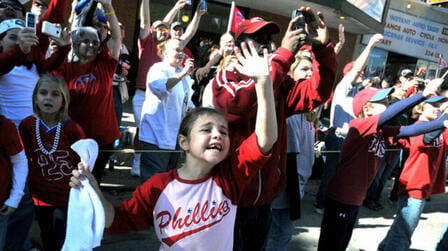
Baseball uniforms are an iconic part of the game and a key way that teams establish their unique identities and traditions. But why do baseball teams have different uniforms instead of all wearing the same thing? There are several reasons behind this longstanding tradition in baseball.
Establishing Team Identity
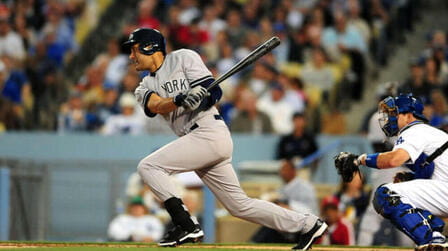
One of the main reasons baseball teams have unique uniforms is to develop their own team identity. The colors, logos, lettering, and styling of a uniform are all part of creating a recognizable brand for each franchise. When you see those classic Yankees pinstripes or the Dodgers' clean blue and white uniforms, you instantly know which team it is.
The uniforms represent the history and culture of each organization. Over decades they become ingrained in fans' minds as symbolic of their hometown team. So uniforms are not just about looking different on the field, but building an iconic visual brand for each club.
Tradition and Superstition
In a sport built on traditions, superstitions, and rituals, uniforms are often part of honoring a team's history. The Chicago Cubs have worn some form of their classic blue uniforms with red accents and white home pinstripes for decades. Teams are often hesitant to make dramatic changes to their uniforms because they don't want to disrupt the mystical equilibrium of a winning formula.
There are famous examples throughout baseball of players or teams attributing success or failure to their uniforms. Legendary player Wade Boggs reportedly ate chicken before every game at the exact same time while wearing his Yankees uniform in a specific way because he believed it brought him luck. When it comes to superstitious ballplayers, you don't mess with what they believe puts the "uniform" in uniformity.
Home vs. Road Uniforms
Another practical reason baseball teams have different uniforms is to distinguish between home and away uniforms. The home white and road grey uniforms are a longstanding tradition that helps players, umpires, and fans clearly differentiate between the two teams on the field.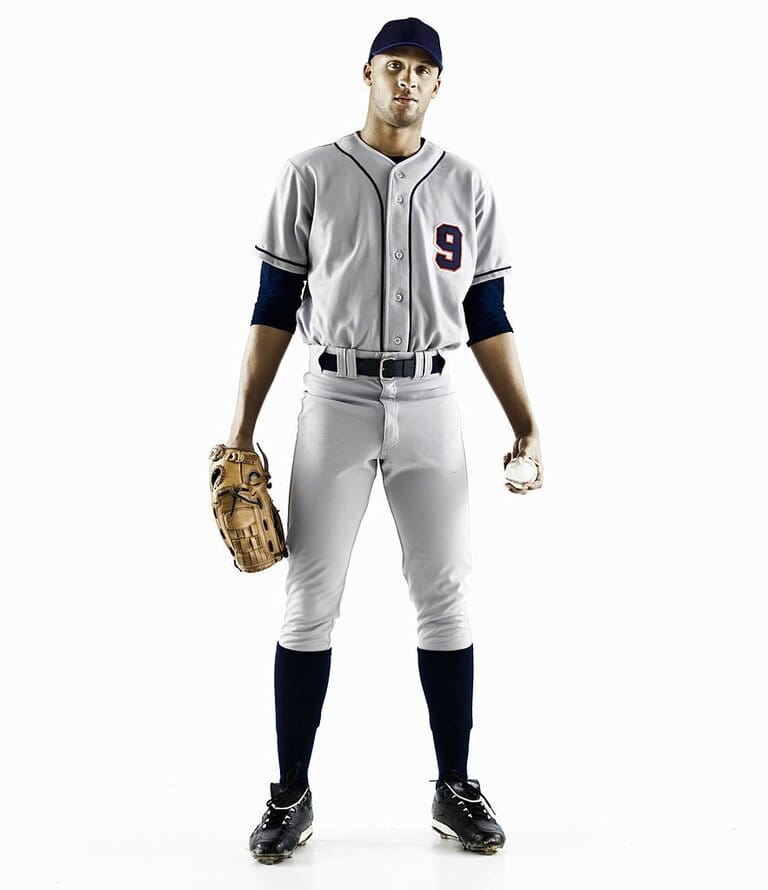
The home whites and road greys also enable easy identification of the teams in black-and-white photographs and TV broadcasts in the first half of the 1900s. Color TV broadcasting didn't begin until the '50s, so having Home Whites and Road Greys was essential to following the game.
Alternative Uniforms
In recent decades, alternative uniform designs have also become popular. Many teams now have alternate home or road uniforms that pay homage to historical styles. Throwback and retro jerseys are a way for teams to connect to past eras and uniform designs while refreshing their current look.
Special holiday or event uniforms are also used, like MLB's yearly Jackie Robinson Day where every team wears his 42 to honor Robinson breaking the color barrier. Alternate jerseys are now big business, with exclusive designs fueling merchandise sales. So having distinctive main uniforms and various alternates is also financially rewarding for MLB franchises.
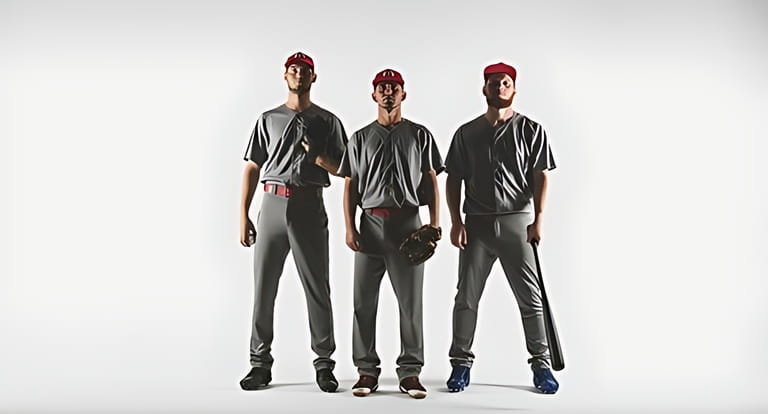
Expressing Team Culture and Values
Conclusion
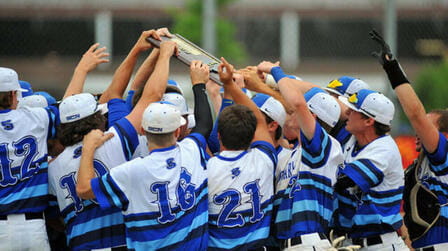
The sense of family, community, and shared experience is what makes baseball America's pastime. Uniforms are a symbolic representation of that unique cultural heritage and bring people from diverse backgrounds together under one team banner. So while having different uniforms may separate teams on the field, the pride, loyalty, and camaraderie they inspire unite fans far beyond the ballpark.