At the time this was written, the Los Angeles Rams had just won another Super Bowl, this time against the Cincinnati Bengals, in front of an estimated audience of over 100 million people across the United States.
Despite baseball's reputation as "America's Game," football proves its dominance every Sunday from October to February.
However, there are many who claim that current indicators point to a negative response, suggesting that the country's love of football may not be as strong as it once was.
In 2018, 5.16 million Americans older than six played tackle football, according to data from statista.com. In contrast, there were 8.4 million people in that age range who participated in the sport in 2006, a decrease of 48% over the course of 12 years.
Participation numbers have dropped dramatically since the late 2000s, falling below six million in 2011.
There was an uptick in numbers between 2012 and 2015, but then they started to decrease again, falling by about 19 percent in just three years (2016-2019).
The National Federation of High Schools reports a decline in high school football participation in 2020 as well. There were 1.006 million pupils active in football in the 2018-2019 season, down by more than 100,000 from a decade before.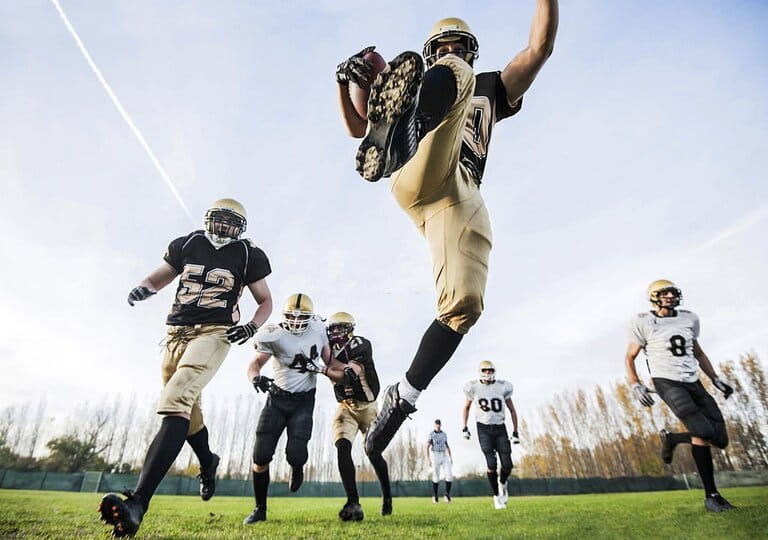
Jon Butler, executive director of Pop Warner, the largest youth football program in the United States, believes it is important to acknowledge the disadvantages while also finding the positive parts despite the seemingly dismal statistics.
According to Butler, "at the youth and high school level, participation in football has been declining" for some time.
Some areas completely banned football during the height of COVID-19 restrictions. Therefore, it is difficult to get an accurate picture of young football right now.
No one's stats have recovered to pre-COVID levels, so it's hard to tell. However, we fully anticipate eventually meeting or exceeding pre-COVID levels," Butler said.
Butler claims that parents have been pulling their children out of football because of the "enormous focus on concussions and CTE (chronic traumatic encephalopathy)" prior to the pandemic.
But Butler thinks the negative impacts are fading and that participation rates will rise, albeit slowly.
From this year's Super Bowl host city Los Angeles, there are some encouraging signs.
A poll by the LA84 Foundation, a nonprofit that helps fund youth sports programs, found that 17.1 percent of kids in Los Angeles County between the ages of 6 and 17 played tackle or flag football in 2019. This was reported in The New York Times in the middle of February. This is a 2% increase over 2018, and officials have reported a rise in youth league participation due to the epidemic.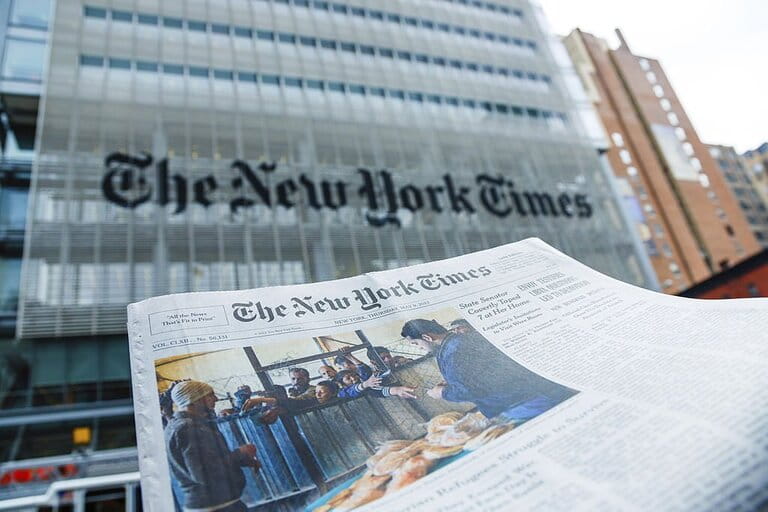
While acknowledging that much of what was once known about concussions and CTE has since been "disproven," Butler emphasizes the steps Pop Warner has taken to improve player safety.
Initially, the group had its youngest members adopt a two-point position instead of the traditional three-point one.
We've done away with kickoffs as well, Butler says, because they cause an excessive number of injuries.
He says that some pushback came from coaches rather than parents when these adjustments were first introduced.
"In one instance, I received a lengthy voicemail overnight from a coach who vehemently protested, asking, 'Are you going to make them wear pink tights next?'"
According to Butler, most parents were relieved by the changes Pop Warner made.
Despite what the declining participation percentages might indicate in terms of interest on the field, he maintains that the game's cultural relevance has not diminished.
"In today's politically polarized world, no other activity unites as many people on a high school or college campus," he said.
Personal experience: Butler once saw 3,500 people at a high school football game in New Jersey, even though the school had only 800 students.
Butler thinks the negative attention football got in the early 2010s because of the concussion issue gave skeptics an opening.
Despite initial backlash, he believes that the sport will continue to thrive. "For a long time, there was a minority of people who didn't like the game but were hesitant to voice their opinions," he said.
The NFL has set new records for attendance and television viewership this season, according to Butler.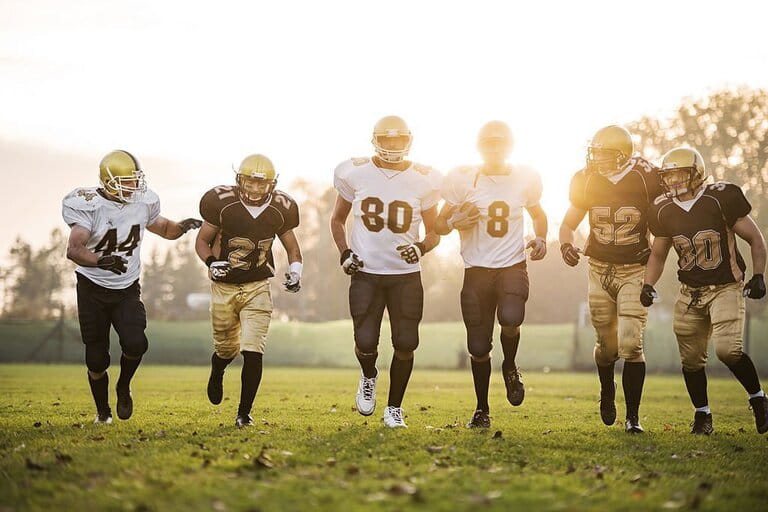
Due to inflation and rising prices, the cost of living has become a more urgent issue for many Americans during the pandemic.
Butler, however, does not believe this had much of an effect on football participation because the fees involved are rather minor.
"Nearly all local programs purchase the equipment and jerseys, so most parents simply rent them," he said.
Although Pop Warner "does its best" to make the sport more accessible and affordable for young people across the country, Butler argued that most of these initiatives are "locally-driven."
He also notes that at least one-third of Pop Warner players come from low-income communities.
Finally, the enduring appeal of football is something to think about. Super Bowl LIII was seen by 112 million people in the United States, up 16 million from the previous low in 2021.