Jerseys are a popular type of athletic clothing that can be worn for many different sports and activities. However, when it comes to sweating, not all jerseys are created equal. Here's a closer look at whether jerseys are a good choice for sweaty workouts or activities.
What is Jersey Material?
Jerseys are made from knit fabric that is designed to be lightweight, breathable, and flexible. The most common materials used for jerseys include:
- Polyester - Polyester jerseys wick moisture away from the skin to the surface of the fabric where it can evaporate. This helps keep you dry during activity.
- Cotton - Cotton jerseys are very breathable but absorb moisture rather than wicking it. Once saturated with sweat, cotton can feel wet against the skin.
- Polyester-cotton blends - Combining polyester and cotton creates a jersey that offers both moisture wicking from the polyester and breathability from the cotton. The percentage of each fiber affects the performance.
- Performance fabrics - Some jerseys are made from advanced fabrics like COOLMAX that enhance moisture wicking properties. These fabrics actively pull sweat away from the body and promote quick evaporation.
Are Jerseys Good for Sweating and Working Out?
For high intensity workouts or activities where you'll be sweating a lot, a polyester or polyester blend jersey is typically the best option. The moisture wicking properties will help keep you dryer during activity.
100% cotton jerseys are not ideal if you'll be sweating heavily since the cotton will absorb the sweat. Once saturated, cotton feels wet against the skin. A cotton jersey is better suited for more casual use.
Performance jerseys with fabrics like COOLMAX offer maximum sweat wicking capabilities. The fabric is engineered to proactively pull moisture away while allowing lots of airflow. These jerseys are great for sports and intensive training.
It's also important to consider the fit of the jersey. A loose jersey has more airflow and can help sweat evaporate. Tighter athletic fits hold sweat against the skin. Go for a looser fit if you tend to sweat a lot.
Jersey Sweat Benefits
While sweaty clothes aren't always comfortable, wearing a moisture wicking jersey does have some benefits when you're active:
- Temperature regulation - As sweat evaporates off the jersey, it creates a cooling effect that helps regulate your body temperature. This can enhance performance and comfort.
- Lightweight - Jerseys are lightweight even when wet from sweat. This allows for a full range of motion during activity.
- Odor reduction - Sweat itself does not smell. Bacteria on the skin causes odor as it breaks down sweat compounds. Jerseys that wick moisture minimize how much sweat lingers on the skin. This helps reduce body odor.
Maximizing Jersey Performance
To get the most out of your jersey material when sweating:
- Polyester/poly blends - These wick best while sweat is more fluid. Over time, salts in sweat can cause polyester to absorb more moisture rather than wicking it. Wash frequently using a sports detergent to maximize wicking performance.
- Loose fit - Choose a jersey in your normal size or opt for a loose fit to allow plenty of airflow. Tight jerseys can cling when wet with sweat.
- Proper care - Follow garment wash instructions. Use mild detergent and wash in cool water, then air dry. High heat can damage technical fabrics over time.
Jerseys for Sweaty Sports
Jerseys are most commonly worn for sweat inducing sports like: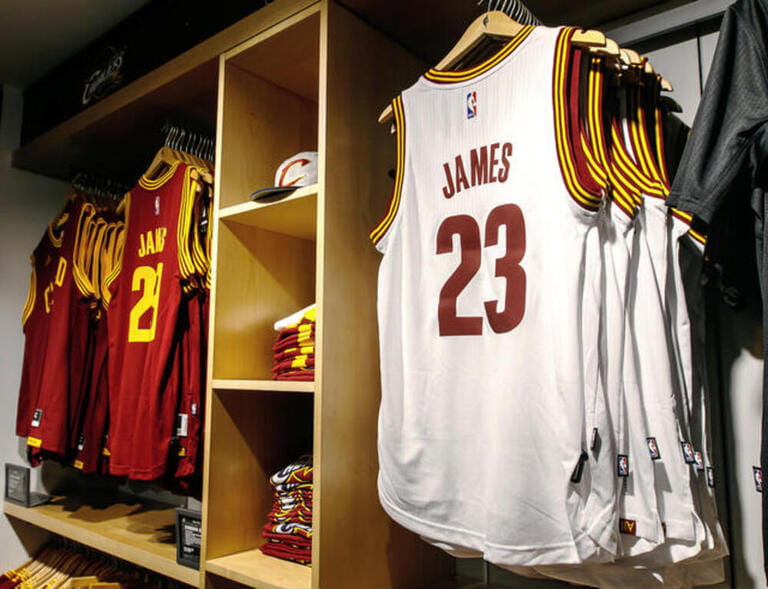
- Basketball - Mesh jerseys allow airflow while the athletic fit moves with you.
- Soccer - Soccer jerseys wick moisture but are also engineered for breathability.
- Football - Moisture management is vital underneath heavy football pads. Performance jerseys help.
- Hockey - Hockey jerseys are lightweight to allow mobility and sweat evaporation even with pads.
- Lacrosse - Lacrosse involves a lot of running and needs jerseys that can handle intense sweating.
- Endurance sports - Coolmax and mesh jerseys are great for sweaty running, cycling, and triathlons.
Caring for Sweaty Jerseys
It's important to care for your jerseys properly after sweaty workouts:
- Rinse and hand wash immediately after use in cool water using a sport detergent.
- Hang dry or dry on delicate setting. Avoid heat which can damage fabrics over time.
- Use a laundry sanitizer periodically if odors develop. This kills bacteria on the fabric.
- Wash polyester jerseys after every 1-2 wears since sweat salts reduce wicking over time.
- Consider having multiple jerseys in rotation so no single jersey gets overused.
5 FAQs about Jerseys and Sweating
1. Are cotton jerseys good for sweating?
No, cotton soaks up sweat rather than wicking it away. A saturated cotton jersey feels wet. Opt for polyester or poly-blend jerseys instead.
2. Should jerseys be tight or loose for sweaty sports?
Looser jerseys allow more airflow for sweat to evaporate. Tight jerseys can cling uncomfortably when wet with sweat.
3. How do I make polyester jerseys wick sweat better?
Wash frequently using a sports detergent to eliminate odor causing bacteria and sweat residue that causes polyester performance to decline over time.
4. Can you ruin a jersey by sweating too much?
No, but sweat residue in fabrics can reduce wicking performance over time. Proper washing helps jerseys continue performing well when sweating for many wears.
5. What fabric is the best for sweaty jerseys?
Advanced performance fabrics like COOLMAX excel at wicking moisture during intense exercise. Mesh jerseys also offer great breathability.
Conclusion
Jerseys can be a great option for sweat inducing sports and workouts. Look for jerseys made of moisture wicking polyester or poly-blend fabrics. Proper washing and care extends the jersey's ability to wick sweat over many wears. Avoid heavy cotton jerseys if you'll be sweating a lot, as these retain moisture and feel wet. With the right jersey material and fit, you can stay comfortable even during intensive training and activity.