Preparation for a football game typically starts many days before kickoff. It's not uncommon for athletes to devote a full week to mental preparation, opponent scouting, and game plan development. Preparation for the big game begins the night before. Get a good night's sleep, eat a healthy lunch, and start preparing yourself psychologically the night before the big event. Football players of any skill level can improve their game day preparation by learning from the best practices of other players, despite the fact that specific game-day preparation methods vary among players.
Starting out early and getting your head in the game
Get into the spirit of the game as soon as possible. When the current game is over, you should immediately begin planning for the upcoming week's showdown. Visualization, distraction avoidance, mental toughness training, and a good frame of mind are all part of being mentally prepared for a football game.
Focus your efforts on a single goal at a time.
Affirmations are useful at any age. It's okay to give oneself a pep talk every once in a while.
As the stakes get higher and higher with each game, pressure is felt even by professional sportsmen. Regardless of how much is at risk in the forthcoming game, try to keep your cool.
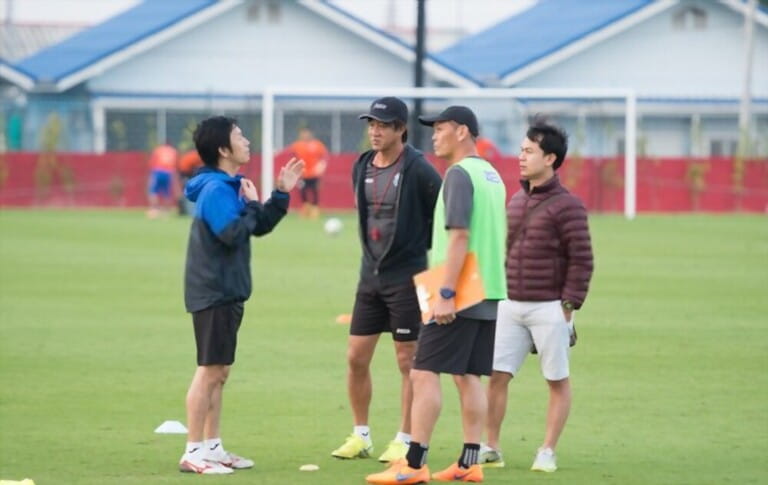
One to two days each week are devoted by most professionals to preparing for upcoming opponents and perfecting their tactics.
What works well at one moment of the season or when up against one team could not do so when up against another. Keep an eye out for shifts in tactics.
Work exercise diligently every day of the week. If you don't provide 110% during practice, you can't possibly expect to give 110% on game day. Put forth your absolute best effort throughout drills since you know they are leading you closer to being ready for game day.
Try to get fitter rather than staying fit.
Create bonds with your colleagues on the field to work better together in the heat of battle.
Evening Football Practices Before the Big Game

Although "carbo-loading" (the habit of taking large quantities of complex carbs in the days leading up to endurance races) has been called into doubt by recent studies, you should do what works best for you.
To avoid indigestion and a rough night's sleep, wait at least two hours after eating to go to bed.
Make sure everything is charged and ready to go for the next day's work. Make sure you have everything you need, including your jersey, socks, and cleats, packed and ready to go for the morning. Find out what the weather will be like so you can dress appropriately.
Get a good, long sleep. Getting enough sleep the night before a big day is one of the most important things you can do for yourself.
Put an alarm on your phone!
Your promptness and readiness will be much appreciated by your coaches and teammates.
Preparing for the Big Game
What you eat at breakfast should reflect your plans for the day. If you have time to spare before kickoff, have a healthy breakfast and stick to a diet high in protein and low in sugar. However, if the game is in the morning, go for a protein-rich yet light meal.
Breakfast sugary meals might cause an energy "crash" later in the day, so it's best to avoid them if you can.
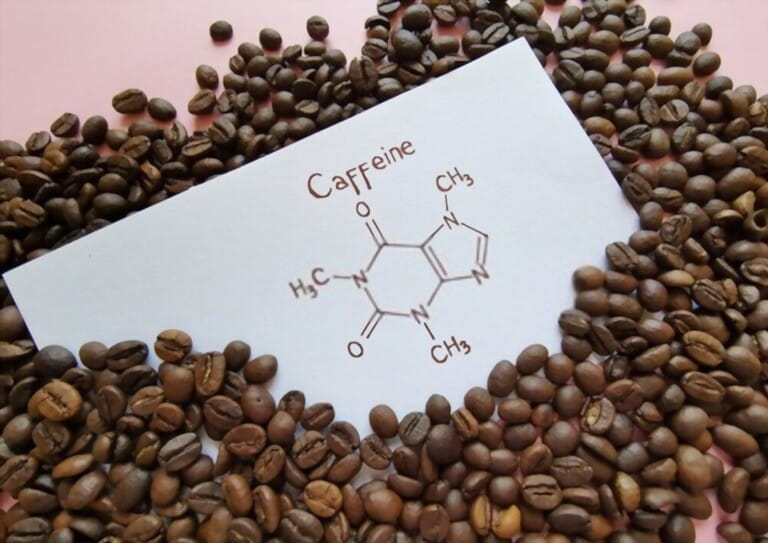
If you're feeling hungry before the game, eating a few modest, healthy meals will help keep your metabolism revved up.
Get your snacks and any energy drinks you'll need ready. Though eating sugary foods before a game is not recommended, new research suggests that consuming simple sugars (sports drinks, gels, snacks) during intensive activity can help maintain energy levels and improve performance.
Keep your body well hydrated even before the game starts to prevent muscle weariness.
When shopping for energy bars, read the labels carefully because some of the most common brands contain laxatives.
Keep a positive and confident frame of mind. Keep your mind sharp as game time approaches. Professional football players use a wide array of strategies to maintain concentration throughout the course of a long game.
Baseball legend Yogi Berra once said, "90 percent of this game is half mental," and the same can be said about football. Focus on the game at hand.
Give in to the hype at the pregame pep rally if your school or team hosts one. Get your blood pumping to give yourself an extra mental edge and boost your resilience.
Prepare the Ground for Launch
Alfind a few minutes to do some stretching and a short workout. Whether you want to go for a quick jog or lift some light weights, you need to do something to get your primary muscle groups warmed up and ready for the demands of competitive play.
When warming up, you're pushing yourself too hard if you can't carry on a conversation. Calm down; we're just getting started.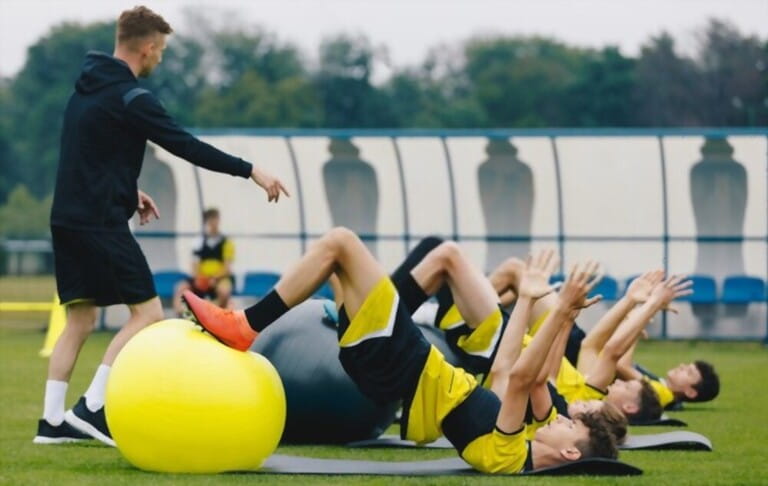
Find a warm-up regimen that works for your specific needs. There is a wealth of information online for athletes of all abilities.
Make sure you're warming up on the right surface by not wearing cleats if you're indoors or on a hard surface.
Warming up is a ritual for many professional football players.
Do some light stretching of your major muscle groups before you get into the game. Warm up your muscles with some little activity, and then schedule some time to stretch in a way that works for you.[18] Some research suggests that pre-workout stretching can help you avoid injuries and perform better in the gym.
Train your major muscle groups once.
Avoid excessive bending and stretching. You shouldn't be working on your flexibility right now.
After the game, it's important to stretch as well.
Keep your head in the game. Pay attention to the game at hand only. Gather your thoughts on the week's preparations and get ready to give your best performance.
Preparing for a Game of Football in the Yard
Get a solid night's rest before the big game. Even recreational athletes benefit from getting at least eight hours of sleep the night before a competition.
Avoid eating a heavy lunch in the hours leading up to the game. Make sure there is enough of time between your last meal and the football game, regardless of your dietary preferences, to avoid cramping and gastrointestinal difficulties.
Get dressed and equipped appropriately. Make sure you have all the necessary sports equipment and that everything is in good working order, taking into account the venue, the nature of the event, and the intensity of the competition.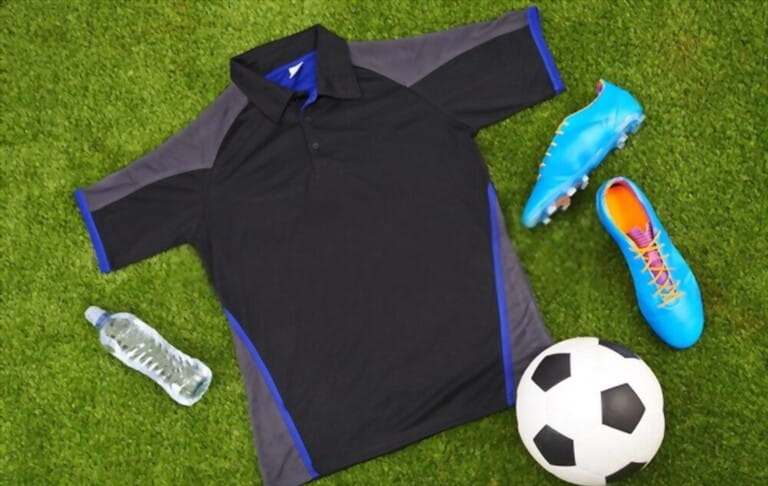
In football games, it is customary practice to designate various colors or tints for each team. It's a good idea to bring shirts for both teams, as rosters can shift throughout the day.
Do you need shoes for inside or outside? How neat are your shoes? Those socks you always wear?
Get the necessary supplies together as quickly as possible if you're in charge of setting up the game or providing the gear. Equipment such as field-marking cones, mesh jerseys, extra footballs, award certificates and medals, banners and belts, etc.
Get your teammates and opponents pumped up before the game. It doesn't matter if the football game is for fun, office bragging rights, or charity fundraising; when the players show good sportsmanship, everyone has a better time.
In the spirit of good sportsmanship, it can be fun for spectators to engage in pleasant banter and lighthearted "trash talk" before a game.
Does your group have a clever nickname or a memorable slogan? Do your pals require any special equipment to cheer you on and enjoy the game to the fullest?
If you want to inspire your teammates, think about sending them a funny message.
Keep in touch with other players and listen out for any last-minute alerts or updates about the game. There could be dozens of people taking part in and watching a football game during a family reunion or workplace picnic. It can be difficult to plan and execute the event.
If you want to help make the big game a success, you need to know everything that's going on that day.
Stay on top of traffic and weather reports so you can plan accordingly and get there on time.
If you're in charge of planning the game, make sure the players know about any last-minute adjustments to the date, time, or location.
Make sure everyone knows how the game works. There are many different ways the game of football can be played, thus it's important for the team to establish their ruleset before planning its strategy. For instance:
How do first downs get counted? Ten yards apart? Once every two rounds?
Where can I find the guidelines for rushing? counting to ten very slowly? Every first down, only one rush?
How will points be tallied for touchdowns? What, you're only good for six? Seven?
When tackling, what are the rules? No snatching garments? Nothing above the neck area?
When does a player go "down" in a play, and what does that mean? Do they have to be physically contacted by the antagonist?
Mark off the playing area or create perimeters. Use cones or other markings to demarcate the field's boundaries if you're playing football in a field or public park without designated football zones. Clearly delineating the football field's end zones and overall size is crucial.
Use pacing to determine the dimensions of the playing field.
If the outside space is yours to mark, consider putting non-toxic paint on the grass.
Set aside some time for a standard warm-up and some stretching. Muscle cramps and even injury are possible outcomes of starting a hard workout while the muscles are still cold. Do your body some good by going for a quick jog or doing some exercises.
Get ready for the opening whistle. After everyone has warmed up, the starting format should be decided upon and the teams should be positioned. Get the ball rolling by dialing hike.
Typically, the team that gets the kickoff does not get to decide which way they will attempt to kick the ball. This is especially useful in the outdoors, where factors like wind and sunlight direction can have a significant impact.