Tattoos have become increasingly popular and visible in professional sports over the past couple of decades. This trend extends to Major League Baseball (MLB), where players often display tattoos on their arms, legs, and other visible areas. While tattoos are widely accepted in MLB, there are some nuances around tattoo policies that players and fans may find interesting.
In general, tattoos are allowed in MLB and players do not have to cover them up. The league does not have any official rules prohibiting tattoos or requiring players to cover them. Players are free to display any tattoos they have, no matter the size, location, or content.
However, there are a few rare exceptions where a player may be asked to cover tattoos for competitive or safety reasons. This primarily applies to pitchers, who could potentially gain an unfair advantage if their tattoos distract hitters when they are pitching.
What exact reasons would an umpire ask a pitcher to cover up his tattoos?
While uncommon, there are some scenarios where an umpire might request a pitcher cover up tattoos during a game:
The hitter complains the tattoos are distracting
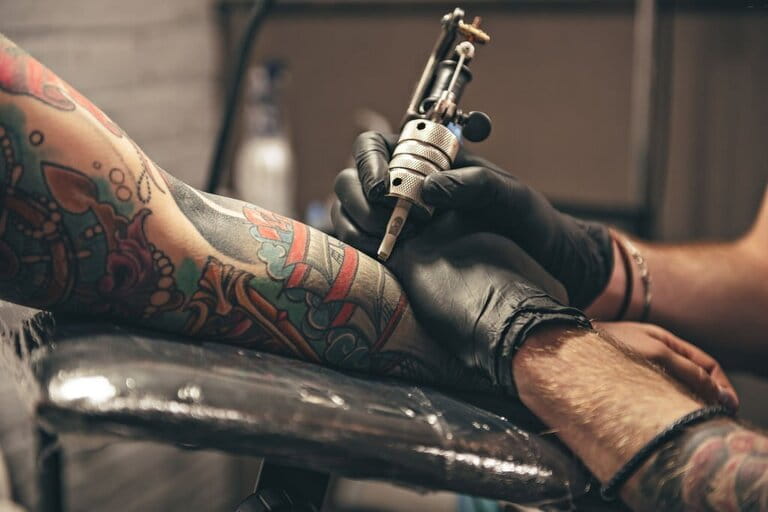
If a hitter complains to the umpire that a pitcher's tattoos are distracting them from seeing the ball properly, the umpire has the discretion to ask the pitcher to cover the tattoos. This would typically only happen if the tattoos are large, colorful, or visually prominent in some way. The rationale is to ensure hitters can see the ball clearly without distraction.
The manager or coach requests it
Similarly, an opposing team's manager or hitting coach could request the umpire instruct the pitcher to cover distracting tattoos if they feel it's impacting their hitters' ability to see the ball. Again, the umpire can choose to honor this request.
Tattoos obstruct the hitter's vision
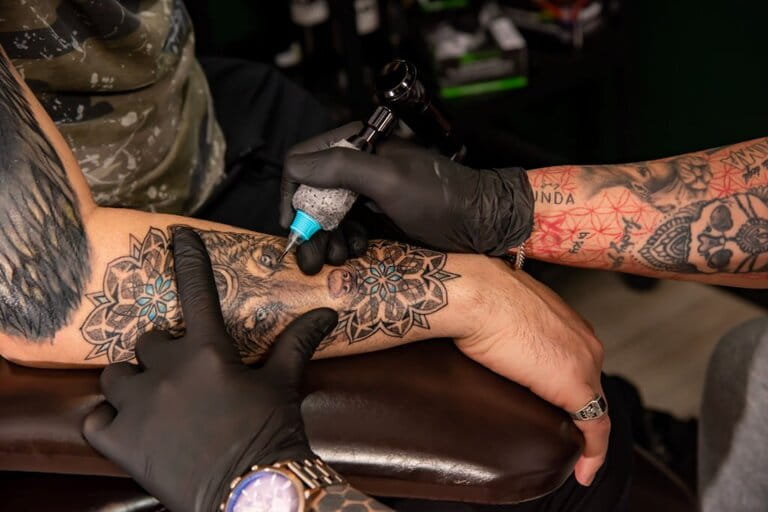
Even if no formal complaint is made, an umpire might proactively ask a pitcher to cover tattoos that they feel obstruct a hitter's view of the ball. This could include large forearm tattoos on a pitcher's throwing arm, for example. The goal is to ensure hitters can see the ball properly.
Tattoos give the pitcher an advantage
If the umpire believes a pitcher is gaining an advantage from distracting or obstructing tattoos, they can request the pitcher cover them to level the playing field. The rules aim to prevent either team from gaining an edge due to tattoos.
Safety concerns
Finally, if tattoos limit a hitter's vision and reaction time, there could be safety concerns around getting hit by pitches. Umpires can request tattoo coverage in the interest of batter safety.
In any of these scenarios, the remedy would simply be asking the pitcher to wear long sleeves or apply a bandage to cover the tattoos in question. But again, these types of requests are rare in MLB games.
Who is the first pitcher to be asked by an umpire to cover up his tattoos?
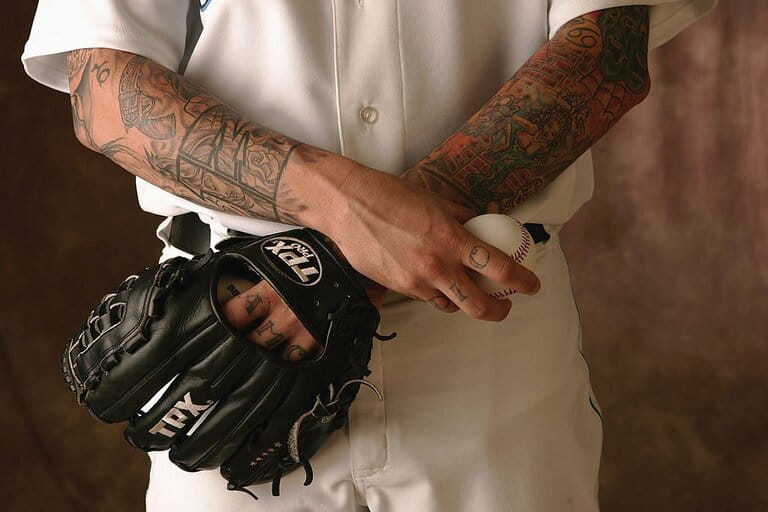
Miller's left arm featured vivid clown tattoos that opponents complained were distracting hitters in the batter's box. McKean honored the request from batters and managers to have Miller cover the tattoos to allow hitters to see the ball better.
This unusual incident went down in MLB lore as the "Justin Miller Rule," though no formal rule was ever enacted. Miller continued wearing sleeves for much of his MLB career to comply with similar requests from umpires and opponents.
While a marginal big league pitcher, Justin Miller's tattoos cemented his legacy as the first player forced to cover body art on the mound. It was an unusual situation that highlighted MLB's stance on policing distracting tattoos in certain cases.
Do position players (non-pitchers) have to worry about covering up their tattoos?
Unlike pitchers, position players in MLB do not have to be concerned with covering their tattoos during games. There is no competitive advantage for hitters, fielders, and other non-pitchers to display tattoos.
The only exception would be if a position player is asked to pitch, which they then take on the same considerations as regular pitchers. Barring these rare occasions, position players can freely display their tattoos without any interference from umpires.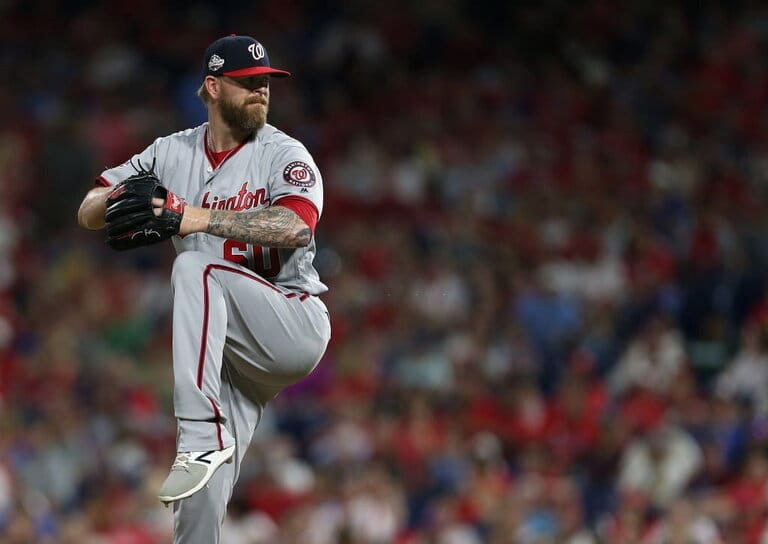
Some examples of position players with prominent tattoos include:
- Bryce Harper: Has sleeve tattoos on both arms incorporating artwork and themes from his life.
- Manny Machado: Displays extensive religious tattoos on his arms and torso.
- Yasiel Puig: Features tattoos on his arms and chest, including palm trees, stars, and more.
- Tim Anderson: Has his "ELF" nickname tattooed on his arm in homage to his running and fielding ability.
So in summary, non-pitchers can fully exhibit tattoos of any type without concern for covering up. Only pitchers have to consider the potential for visually distracting body art.
The Most Interesting Tattoos in Baseball History
Tattoos have become ingrained in baseball culture with many iconic players displaying meaningful and visually striking body art. Here are some of the most interesting tattoos sported by MLB players over the years: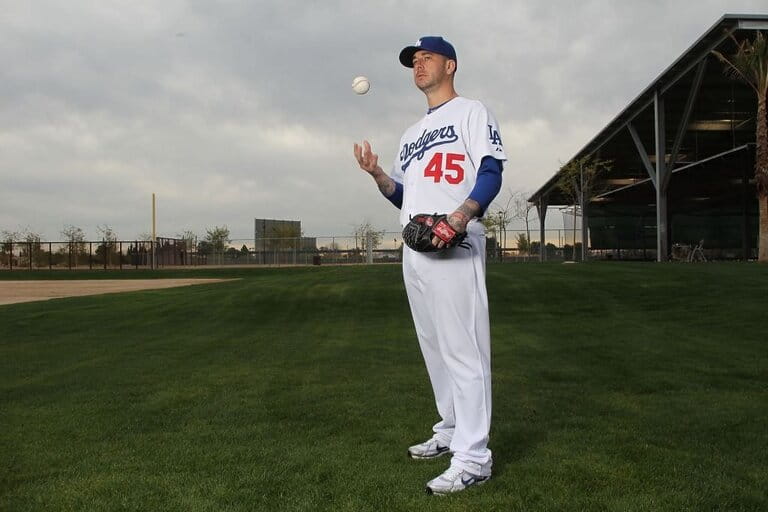
Babe Ruth portrait - David Wells
Longtime pitcher David Wells paid tribute to the greatest Yankee ever with a detailed tattoo of Babe Ruth on his left arm. It captures Ruth's face surrounded by Yankee Stadium. Wells clearly wore his love for baseball history proudly.
Flaming baseball - Josh Hamilton
All-Star outfielder Josh Hamilton marked his passion for the game with a flaming baseball tattoo. The flaming ball is beautifully rendered and nicely complemented nearby religious tattoos.
Korean symbol - Prince Fielder
Former home run champ Prince Fielder got a large Korean symbol tattooed on his neck translating to his name. Having a name-sake tattoo on such a sensitive spot epitomized Fielder's bold style.
Chicago Cubs superstar Javier Baez made a confident choice well before reaching the big leagues by inking the MLB logo on his neck as a minor leaguer. The neck tatt telegraphed his expectations for MLB stardom.
Archangel Michael - Matt Kemp
Outfielder Matt Kemp spreads an intricate full-arm sleeve tattoo of the archangel Saint Michael holding a sword and shield. Its color and detail represent the creative heights MLB body art has reached.
Girlfriend portrait - Scott Spiezio
Former infielder Scott Spiezio expressed adoration for his girlfriend by tattooing a provocative portrait of her on his arm. While risque, the tattoo illustrated baseball's melting pot of body art expression.
These awesome and meaningful tattoos demonstrate how MLB body art has progressed over generations. Today's players now wear their passions on their sleeves...and pretty much everywhere else! Tattoos will continue showing the personal side of MLB stars for years to come.
Conclusion
In conclusion, tattoos are widely accepted across Major League Baseball today, though some exceptions exist primarily for pitchers. Position players have free rein to display any tattoos without restriction, exemplified by prominent tattoos sported by current MLB stars. Pitchers may infrequently be asked to cover tattoos deemed distracting by umpires or opponents, though typically only in limited cases where they obstruct vision or provoke complaints. This balance allows tattoos to be an avenue for personal expression while maintaining fairness on the field. Looking ahead, tattoos will undoubtedly continue to be emblematic of baseball culture and the ways players express themselves as individuals.